
Wilderness as Teacher and Threat
Happiness for BeginnersThe landscape offers beauty and spiritual quiet while refusing to become a controlled cure, teaching Helen that attention and practical respect matter as much as awe.
increasing Bearing strength in each event
 decreasing
Bearing strength in each eventdecreasingAn Idealized Wilderness

An Idealized Wilderness
Nature as promised cure
Helen expects the wilderness to deliver a spiritual breakthrough and a dramatic new identity. She imagines that a difficult landscape will answer questions she cannot yet articulate.
Her expectations are sincere but romanticized. She has little hiking experience and does not understand how much ordinary discomfort and practical knowledge the trip will demand.
The real landscape
The wilderness will not arrange itself around Helen’s hopes. Its beauty and danger will both exceed the role she had assigned it as a cure.
Rules of Respect
Rules of Respect
Leaving no trace
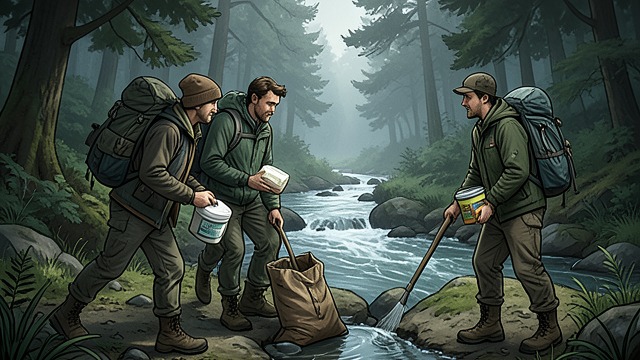
Beckett teaches that the hikers must pack out what they bring, protect streams from soap, and store food so bears do not become dependent on people. Helen initially experiences some rules as strange or excessive.
After days in a cleaner wilderness, she sees the litter at a busy trailhead and understands why Beckett reacted so fiercely to her lost list. Human comfort can leave damage in places people claim to admire.
Responsibility beyond awe
Respect for nature is not just an emotional feeling. It is a set of practical choices that limits the harm visitors cause.
The Wilderness Refuses Control
The Wilderness Refuses Control
A route disappears
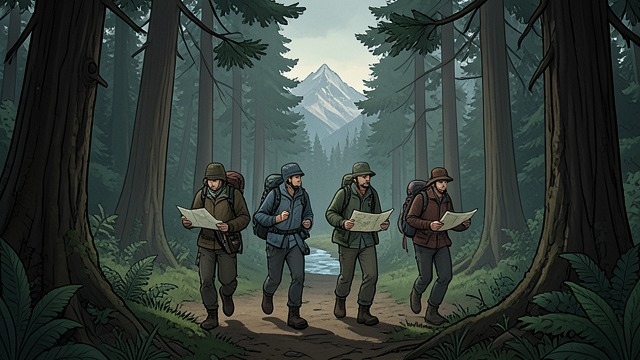
Mason’s shortcut leaves the group without a marked trail. The forest floor offers many animal tracks but no clear human route, and the hikers must use map, compass, terrain, and judgment to orient themselves.
The group cannot force the landscape to provide an easy answer. Helen’s map-reading helps, but success takes hours of uncertain travel and brings the possibility of running short of water.
Knowledge as humility
The episode shows that competence means responding to the terrain rather than assuming it will match one’s expectations. Wilderness skills depend on attention, patience, and respect for limits.
A Snowfall on the Solstice
A Snowfall on the Solstice
Weather changes the scene
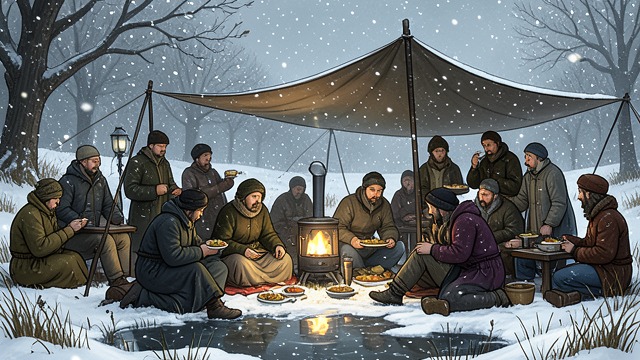
Snow begins falling at Painted Meadow during the summer-solstice party. The participants are surprised, and Beckett quickly directs them to keep stoves burning, eat high-calorie food, and gather beneath a shared tarp.
The overnight snowfall transforms the meadow into a white landscape, then begins to melt as the weather warms. The group has to adapt rather than rely on the season’s usual expectations.
Beauty and danger together
The snow is beautiful, but its beauty does not make it harmless. Nature can inspire wonder and demand practical action in the same moment.
A Place for Memory
A Place for Memory
A rare stillness
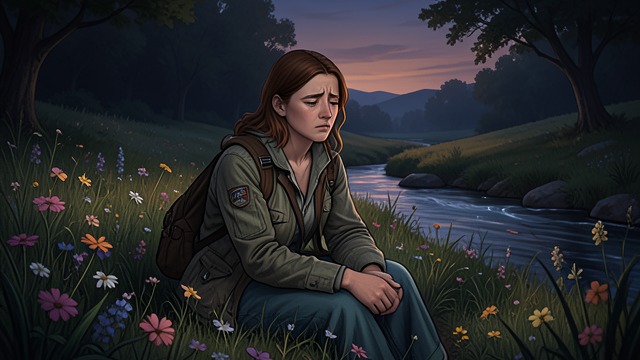
On the Zero Day, Helen rests in the meadow and feels close to Nathan. She imagines him among the wildflowers and by the stream, enjoying a place that would have delighted him.
The landscape allows grief to loosen without disappearing. Helen’s experience of peace comes not from mastering nature but from being still enough to receive what the place brings to mind.
Meaning without possession
Painted Meadow cannot return Nathan or guarantee that Helen will remain tranquil. It gives her a moment of connection she can carry away without claiming to own or control it.
Before departure from Boston
During orientation and the first camp
During the Solo navigation crisis
The night of the summer-solstice celebration
The Zero Day morning at Painted Meadow
